More Than a Children's Story
Noah's ark is one of the first Bible stories most people encounter as children. The colorful ark with two of every animal is a charming image.
But the actual story in Genesis 6-9 is darker, more complex, and more theologically weighty than the picture-book version. It is a story about the depth of human corruption, the grief of God, the faith of one man, and a divine promise that changed the relationship between Creator and creation permanently.
Understanding it as the adult story it is makes it far more meaningful.
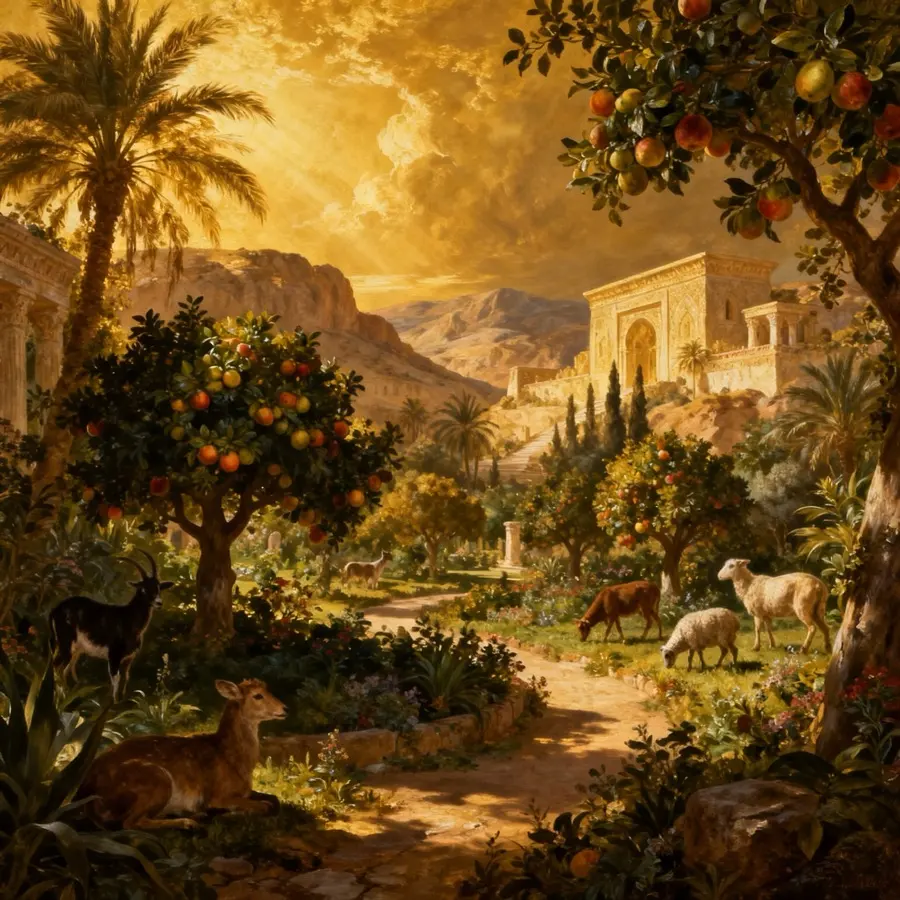
Part 1: The World Before the Flood (Genesis 6:1-8)
Genesis 6 opens with a stark diagnosis of the pre-flood world:
"The Lord saw how great the wickedness of the human race had become on the earth, and that every inclination of the thoughts of the human heart was only evil all the time." (Genesis 6:5)
The language is comprehensive: every inclination, only evil, all the time. This is not a world with problems: this is a world that has become something fundamentally different from what it was created to be.
Then comes one of the most startling lines in Genesis:
"The Lord regretted that he had made human beings on the earth, and his heart was deeply troubled." (Genesis 6:6)
The Hebrew word for "regretted" is naham: it involves grief, sorrow, and a change of direction. This is not a mechanical divine process. God was moved with something like grief over what creation had become.
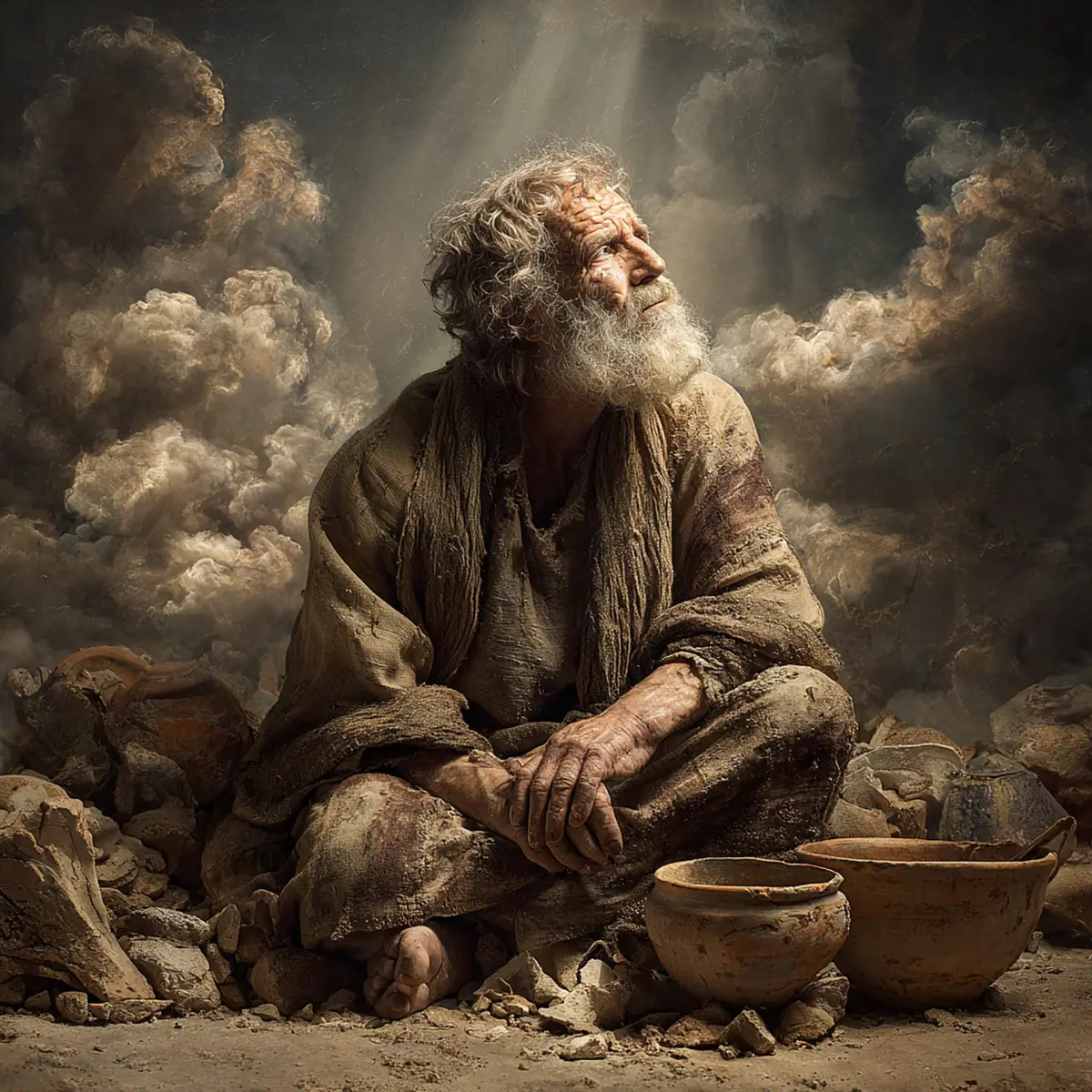
The one exception: Noah.
"But Noah found favor in the eyes of the Lord." (Genesis 6:8)
The Hebrew word for "favor" is chen: grace. Noah did not earn his way through the flood. He found grace. What follows describes him as righteous, blameless among the people of his time, and someone who "walked faithfully with God."
Part 2: God's Instructions to Noah (Genesis 6:9-22)
God appeared to Noah and told him what was coming:
"I am going to put an end to all people, for the earth is filled with violence because of them. I am surely going to destroy both them and the earth. So make yourself an ark of cypress wood." (Genesis 6:13-14)
The instructions for the ark were specific:
- Material: Cypress wood, coated with pitch inside and out
- Dimensions: 300 cubits long × 50 cubits wide × 30 cubits high (roughly 450 × 75 × 45 feet)
- Design: Three decks, a roof, a door in the side
- Passengers: Noah's family (his wife, three sons and their wives: eight people total), and two of every kind of animal, male and female, plus seven pairs of every clean animal, and food for all of them
Noah's response is one of the great one-liners of Genesis: "Noah did everything just as God commanded him" (Genesis 6:22). Nothing more is said. No argument, no complaint, no record of how Noah processed the news that the entire world was about to be destroyed.
He just built the ark.
Part 3: Loading the Ark (Genesis 7:1-16)
When the ark was ready, God gave the final instructions. Noah and his family boarded. The animals came: the text says they "came to Noah and entered the ark" (Genesis 7:9), without explaining how this happened.
Then:
"And the Lord shut him in." (Genesis 7:16)
This detail is significant. It was God who closed the door, sealing Noah's family in and the rest of the world out. The decision had been made. The time for entering was over.
Part 4: The Flood (Genesis 7:17-24)
Rain fell for forty days and forty nights. But the flood was not only rain:
"In the six hundredth year of Noah's life, on the seventeenth day of the second month, on that day all the springs of the great deep burst forth, and the floodgates of the heavens were opened." (Genesis 7:11)
The description suggests a reversal of creation itself: the waters that were separated and held back in Genesis 1 were now released. Creation was being "uncreated."
The waters rose until they covered the highest mountains by more than twenty feet. Everything that breathed air and lived on dry land died. Only Noah and those in the ark survived.
The water prevailed for 150 days.
Part 5: The Waters Recede (Genesis 8:1-19)
"But God remembered Noah and all the wild animals and the livestock that were with him in the ark, and he sent a wind over the earth, and the waters receded." (Genesis 8:1)
The phrase "God remembered" appears often in the Bible in situations of desperate waiting: it does not mean God had forgotten, but signals that God was now actively moving on behalf of the person.
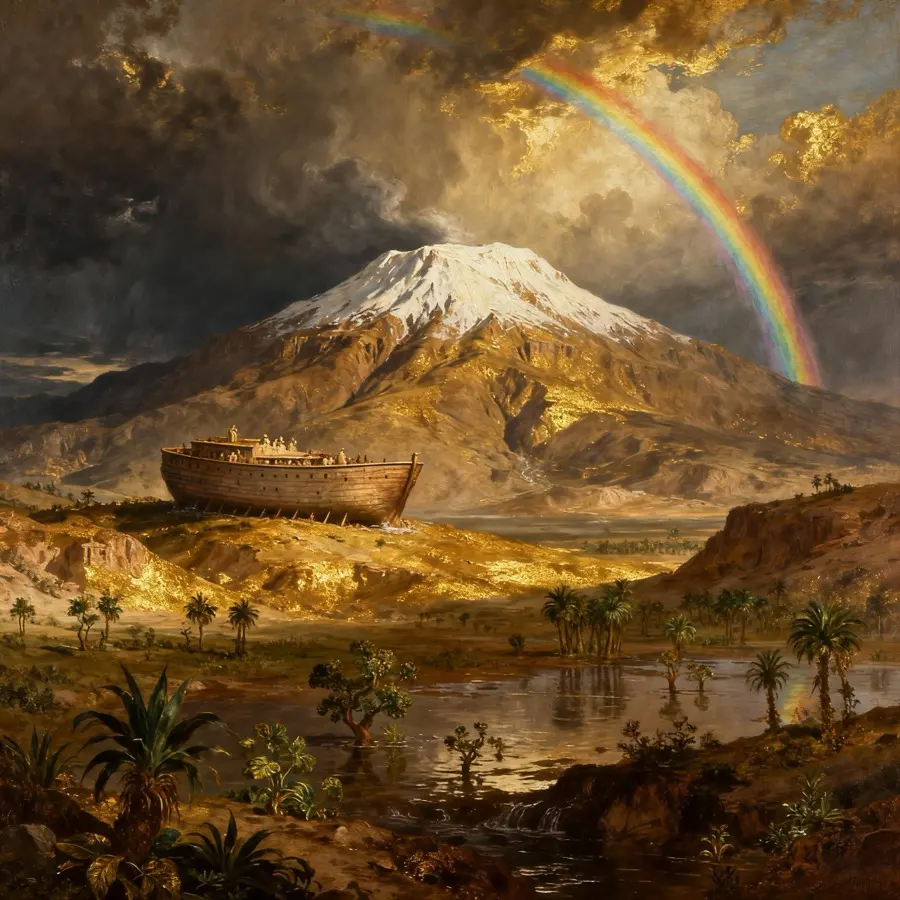
The waters gradually receded. After 150 days, the ark rested on the mountains of Ararat. More months passed before the tops of other mountains appeared.
Noah sent out a raven. It flew back and forth until the water dried up. Then he sent a dove. It returned, with nowhere to land. Seven days later, he sent the dove again. It returned with a freshly plucked olive leaf in its beak.
"Then Noah knew that the water had receded from the earth." (Genesis 8:11)
Seven days later, he sent the dove a third time. It did not return.
Eventually, God told Noah it was time to leave the ark. When they emerged, after approximately one full year, Noah's first act was to build an altar and offer a burnt offering to God.
Part 6: The Rainbow Covenant (Genesis 9:1-17)
God blessed Noah and his sons, echoing the blessing of Adam and Eve in Genesis 1: "Be fruitful and multiply and fill the earth." A new beginning was being made.
Then God established a covenant, not just with Noah but with every living creature:
"I now establish my covenant with you and with your descendants after you and with every living creature that was with you (the birds, the livestock and all the wild animals, all those that came out of the ark with you), every living creature on earth." (Genesis 9:9-10)
The promise: "Never again will I destroy all life by the waters of a flood; never again will there be a flood to destroy the earth" (Genesis 9:11).
The sign of this covenant: the rainbow.
"Whenever I bring clouds over the earth and the rainbow appears in the clouds, I will remember my covenant between me and you and all living creatures of every kind. Never again will the waters become a flood to destroy all life." (Genesis 9:14-15)
The rainbow is not simply a natural phenomenon in this passage. It is a covenant sign: a visible reminder of God's binding promise to never again destroy the earth by flood.
Significantly, God says the rainbow will remind him of his covenant, not that it reminds us of God's promise to us. The commitment is entirely God's own.
Key Themes and Questions
Grace Before Judgment
Noah found grace before he built the ark. His righteousness was a response to grace, not the cause of it. The New Testament picks up this theme in Hebrews 11:7: "By faith Noah, when warned about things not yet seen, in holy fear built an ark to save his family."
Judgment and Rescue Together
The flood narrative holds together two things that are easy to separate: God's grief over human corruption and God's determination to preserve and begin again. They are not in tension. The same God who judged is the God who saved.
The New Beginning Pattern
The flood story follows a pattern that appears throughout Scripture: crisis, judgment, rescue, covenant, new beginning. Noah's emergence from the ark and God's covenant mirrors (and prepares for) the Exodus, and ultimately the resurrection.
The Covenant With All Creation
The rainbow covenant is unusual: it is made not just with humans but with every living creature. God's commitment to his creation is comprehensive.
Explore the Flood Story in Audio
In BibleNow you can listen to Genesis 6 to 9 with clear narration and, if you like, ambient sounds. Hearing Noah's story from start to finish, as a continuous narrative rather than isolated verses, reveals the emotional and theological arc of one of Scripture's most foundational stories.
Frequently asked questions
Why did God send the flood in Noah's time?
Genesis 6:5-6 gives the reason: 'The Lord saw how great the wickedness of the human race had become on the earth, and that every inclination of the thoughts of the human heart was only evil all the time. The Lord regretted that he had made human beings on the earth, and his heart was deeply troubled.' The text uses the language of grief: God was not simply executing justice but was sorrowful over what creation had become. Noah was the exception: he 'found favor in the eyes of the Lord' and 'was a righteous man, blameless among the people of his time, and he walked faithfully with God' (Genesis 6:8-9).
How big was Noah's ark?
Genesis 6:15 gives dimensions of 300 cubits long, 50 cubits wide, and 30 cubits high. Using the standard cubit of 18 inches (45.7 cm), that's approximately 450 feet long (137 m), 75 feet wide (23 m), and 45 feet tall (14 m). This makes it roughly the size of a large ocean freighter, with three decks. The internal volume has been calculated at roughly 1.5 million cubic feet (42,500 cubic meters).
How long was Noah in the ark?
The full ark journey was approximately one year. Rain fell for 40 days and nights (Genesis 7:12). The water prevailed on earth for 150 days (Genesis 7:24). Then it took time for the waters to recede. Noah sent out a raven, then a dove, and finally a second dove that returned with an olive leaf, signaling land. When the earth was completely dry and God commanded them to leave the ark, exactly one year and ten days had passed from when Noah first entered.
What is the meaning of the rainbow covenant?
After the flood, God established a covenant (a binding promise) with Noah and all of creation: 'Never again will I destroy all life by the waters of a flood; never again will there be a flood to destroy the earth' (Genesis 9:11). God gave the rainbow as the sign of this covenant: 'Whenever I bring clouds over the earth and the rainbow appears in the clouds, I will remember my covenant' (Genesis 9:14-15). The rainbow is not just a natural phenomenon in this passage: it is a treaty sign, a visible reminder of God's self-binding promise.

Live it in BibleNow
Listen to Bible stories with their painting, read Scripture on paper or at night, and ask Lumi anything.