Starting with the Word Itself
The English word "gospel" comes from the Old English godspel, literally "good story" or "good news." But the idea goes back further, to the Greek euangelion, which the New Testament uses over 100 times.
In the Roman Empire, a euangelion was a specific kind of announcement: a public herald's proclamation of significant news: a victory in battle, the birth of an heir to the throne, the beginning of a new emperor's reign. It was not a private opinion. It was a world-altering declaration.
The first Christians chose this word deliberately. What they had to say about Jesus was not a new philosophy, a self-improvement technique, or a lifestyle preference. It was a euangelion: an announcement about something that had happened, something that changed everything, something that demanded a response.
What the Gospel Is Not
Before explaining what the gospel is, it helps to clear away what it often gets confused with:
The gospel is not moralism. Moralism says: "Live a better life. Be a better person. Do more good than bad, and God (or karma, or the universe) will be pleased with you." This is the default religion of most humans. The gospel says something entirely different.
The gospel is not self-improvement. The Christianity of many people is functionally a self-help program with religious language. But the gospel does not primarily address your habits, your productivity, or your psychological wellbeing. It addresses your fundamental standing before a holy God.
The gospel is not just Jesus' ethical teachings. The Sermon on the Mount is profound, but it is not the gospel. The gospel is not "do what Jesus said." It is "trust in what Jesus did." The difference is enormous.
The gospel is not a religious system. It is possible to be deeply religious (to attend church, know the Bible, pray regularly, serve in ministry) while missing the gospel entirely. Paul warned the Galatians that they were in danger of exactly this.
The Metanarrative: Creation, Fall, Redemption, Restoration
The gospel only makes complete sense within the larger story of Scripture. That story has four movements:
1. Creation: God and Humanity in Relationship
"In the beginning, God created the heavens and the earth" (Genesis 1:1). God made human beings in his image (imago Dei, Genesis 1:27), meaning humans were designed for relationship with their Creator. This was the original state: knowing God, reflecting God, ruling creation as his stewards, dwelling with him without barrier or shame.
The world as it was meant to be.
2. The Fall: Rebellion and Separation
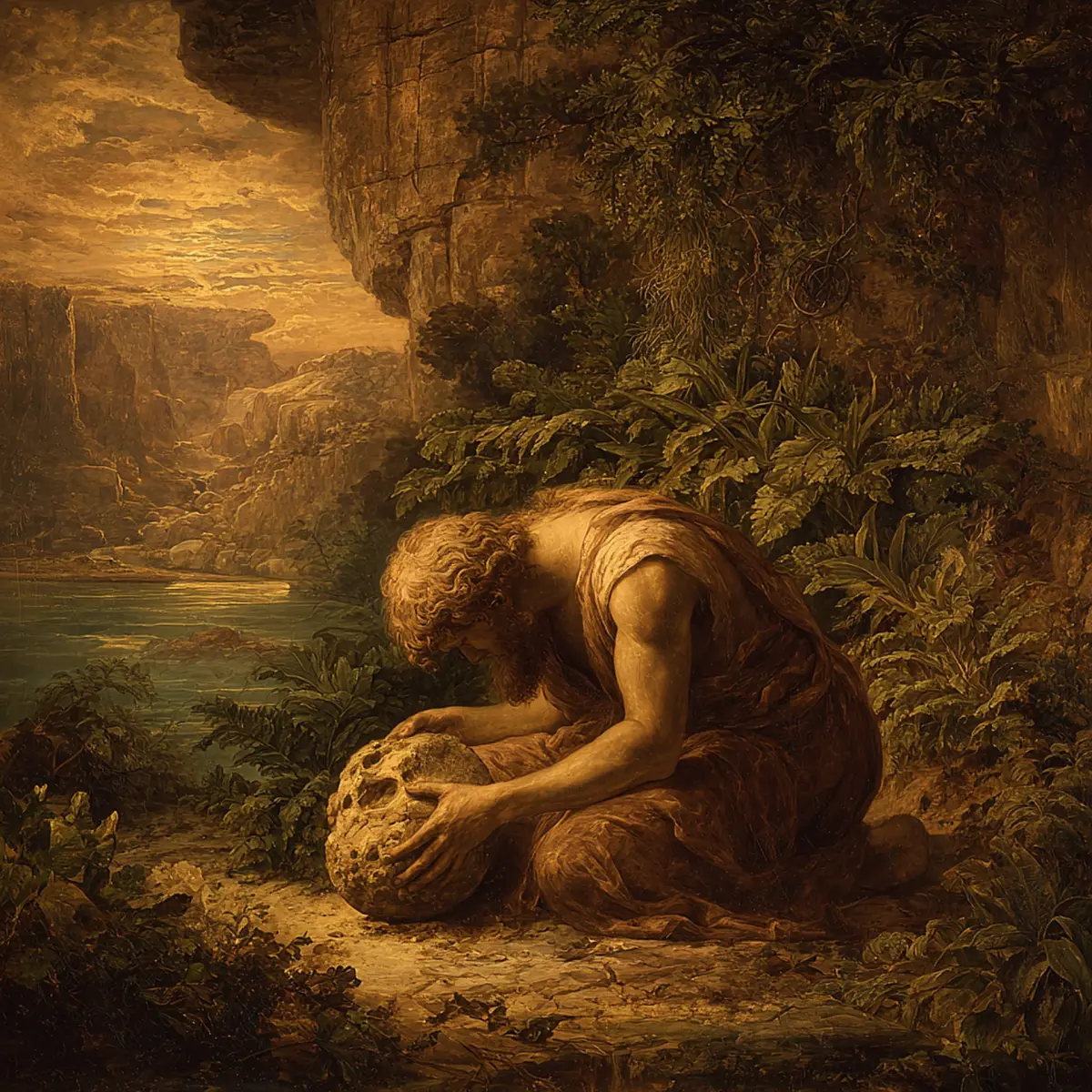
Genesis 3 records the moment humanity chose self-determination over God's rule. The serpent's offer was simple: "You will be like God, knowing good and evil" (Genesis 3:5). The desire to be autonomous (to set your own standards, to be your own authority) is the essence of what the Bible calls sin.
The immediate consequences were shame, hiding from God, blame-shifting, and eventually death. The long-term consequence is what theologians call "the fall": a fundamental fracturing of the relationship between humanity and God, between humans and each other, between humans and creation.
Romans 3:23 summarizes it starkly: "All have sinned and fall short of the glory of God." Romans 6:23 adds: "The wages of sin is death." This is the problem the gospel addresses.
3. Redemption: God Acts to Restore
The rest of the Old Testament traces God's long plan to address the problem: through Abraham's family, through the law, through the sacrificial system, through the prophets. All of it was pointing toward something.
"When the set time had fully come, God sent his Son, born of a woman, born under the law, to redeem those under the law" (Galatians 4:4-5).
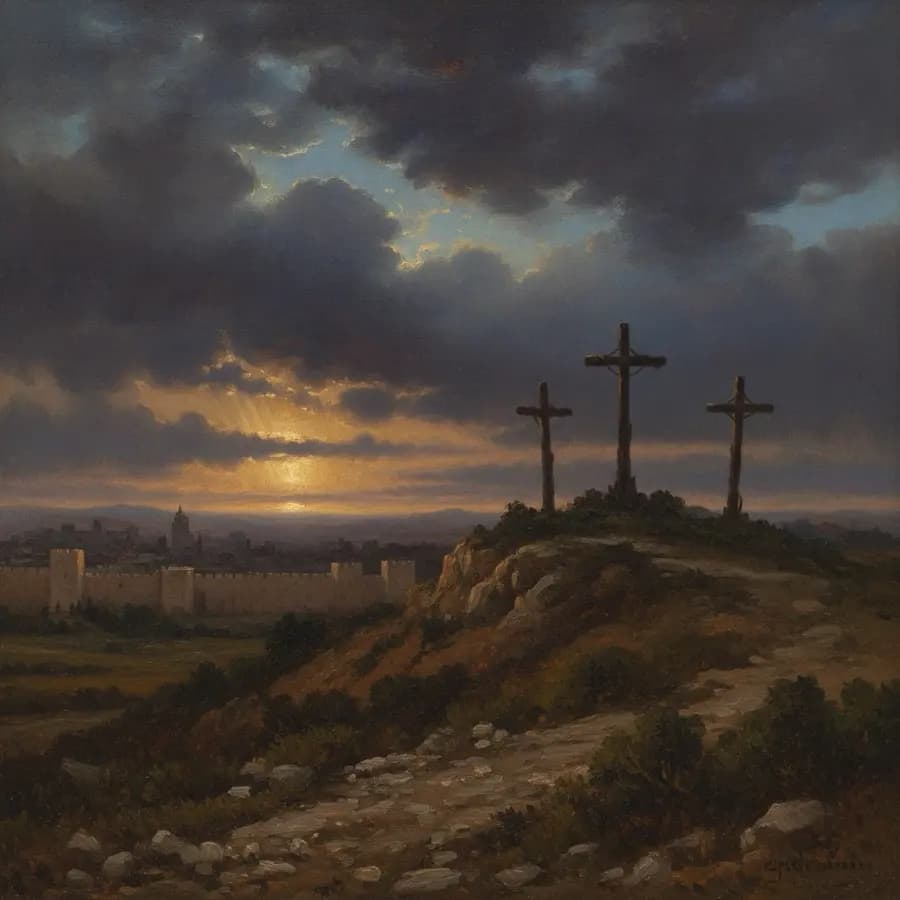
Jesus of Nazareth entered history as both fully God and fully human. He lived the perfectly obedient life that Adam failed to live. He died the death that the law required for sin, "the righteous for the unrighteous, to bring you to God" (1 Peter 3:18). And on the third day, he rose from the dead, defeating death, validating his claims, and opening the way back to God.
1 Corinthians 15:1-4 is Paul's most concise statement of the gospel's content:
"Now, brothers and sisters, I want to remind you of the gospel I preached to you... that Christ died for our sins according to the Scriptures, that he was buried, that he was raised on the third day according to the Scriptures."
Four elements: died, buried, raised, according to Scripture (fulfilling prophecy). This is the irreducible core.
4. Restoration: A New Creation Coming
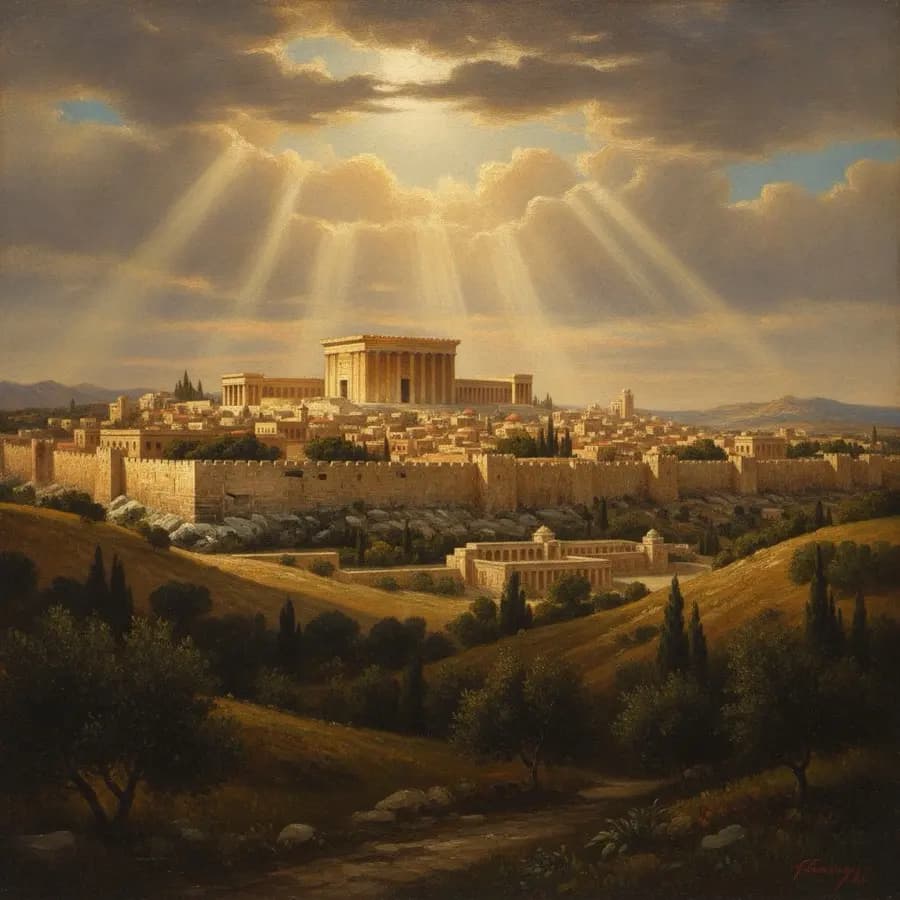
The gospel is not just about forgiveness of past sin. It is about the total renewal of all things. Revelation 21:5: "I am making everything new." The resurrection of Jesus is called the "firstfruits" (1 Corinthians 15:20), the beginning of a harvest that will culminate in the full resurrection of all the dead, a new heaven and new earth, and the unhindered presence of God with his people forever.
The gospel does not promise that you escape this world. It promises that this world gets fixed.
The Gospel in Four Movements: God, Man, Christ, Response
Here is the simplest framework for presenting the complete gospel:
GOD: God is holy and the rightful ruler of all things. His standard is perfection. His character is the definition of goodness.
MAN: Every human being is a sinner, not just in behavior but in fundamental orientation. We have chosen self-rule over God's rule. The consequence is moral guilt and the sentence of death (spiritual and physical).
CHRIST: Jesus Christ, the eternal Son of God, became human, lived perfectly, died as a substitute for sinners, and rose from the dead. His death satisfied the justice of God. His resurrection defeated death and inaugurated new life.
RESPONSE: God calls every person to repent (turn from self-rule) and believe (trust in Christ's finished work). This is not a one-time transaction that adds Jesus to your existing life. It is the beginning of a whole new kind of life, with Christ as Lord.
Common Misunderstandings
"The gospel is just for non-Christians." Wrong. Paul says the gospel is "of first importance" (1 Corinthians 15:3), not just for entry into faith but for the ongoing life of every believer. Christians don't graduate from the gospel; they go deeper into it.
"I already believe it, so it doesn't apply to my current struggle." The gospel speaks directly to every human struggle: anxiety (you are not in ultimate control, and you don't need to be, because God is), shame (you have been fully forgiven and declared righteous), fear of death (Christ defeated death), loneliness (you are known and loved by the Creator).
"The gospel is too simple." The gospel can be stated simply, but it cannot be exhausted. Two thousand years of the best theologians in history have not reached the bottom of what God did in Christ. Simple enough for a child to trust; deep enough for a lifetime of exploration.
How to Respond
The New Testament calls for two things: repentance and faith.
Repentance (metanoia in Greek) is literally a change of mind, a turning. It means acknowledging that your self-centered rule of your own life hasn't worked and isn't right, and turning toward God's rule.
Faith (pistis) is trust: not just intellectual agreement that Jesus existed, but genuine reliance on him and his work for your standing before God.
These are not two separate things. They are two sides of the same coin. You can't genuinely trust Jesus without turning from trusting yourself. You can't genuinely turn from self-rule without trusting that there is someone better to rule.
Explore the gospel and every passage that unpacks it with BibleNow: https://biblenow.onelink.me/7rjl/z8us8bll
Frequently asked questions
What is the gospel in one sentence?
God, who is holy, created humans to know him; humanity rebelled and became separated from him; Jesus Christ, fully God and fully human, lived a perfect life, died to bear the penalty for human sin, and rose from the dead, making restoration to God possible; and God calls every person to respond with faith and repentance. That is the gospel.
What does the word 'gospel' mean?
The Greek word is euangelion, literally 'good news' or 'glad tidings.' In the Roman world, euangelion was the term used when a messenger arrived announcing a military victory or the birth of a new emperor. It was public, decisive, world-changing news. The New Testament authors chose this word deliberately: the life, death, and resurrection of Jesus is the most significant announcement in history.
What is the gospel according to Paul in 1 Corinthians 15?
Paul gives the most concise formal definition of the gospel in 1 Corinthians 15:1-4: 'that Christ died for our sins according to the Scriptures, that he was buried, that he was raised on the third day according to the Scriptures.' This four-element gospel (death, burial, resurrection, scriptural fulfillment) is the irreducible core. Everything else in Christian theology is either background, implication, or application of this.
What is the difference between the gospel and religion?
Religion is a system of human effort to earn divine approval: do the right things, become a good enough person, accumulate merit. The gospel reverses this: God reaches toward humanity, not the other way around. The gospel is not 'try harder and God will accept you.' It is 'Christ has done what you couldn't; receive it.' This is the distinction theologians call grace.
How do I respond to the gospel?
The New Testament uses two words to describe the appropriate response: repentance (metanoia in Greek: a change of mind and direction, turning away from self-rule toward God) and faith (pistis: trust, reliance, not merely intellectual agreement). Jesus summarized it: 'Repent and believe the good news' (Mark 1:15). This is not a one-time transaction at the beginning of Christian life; it is the ongoing posture of a person walking with God.

Live it in BibleNow
Listen to Bible stories with their painting, read Scripture on paper or at night, and ask Lumi anything.